Live NFL In-Play Betting UK
 Available in US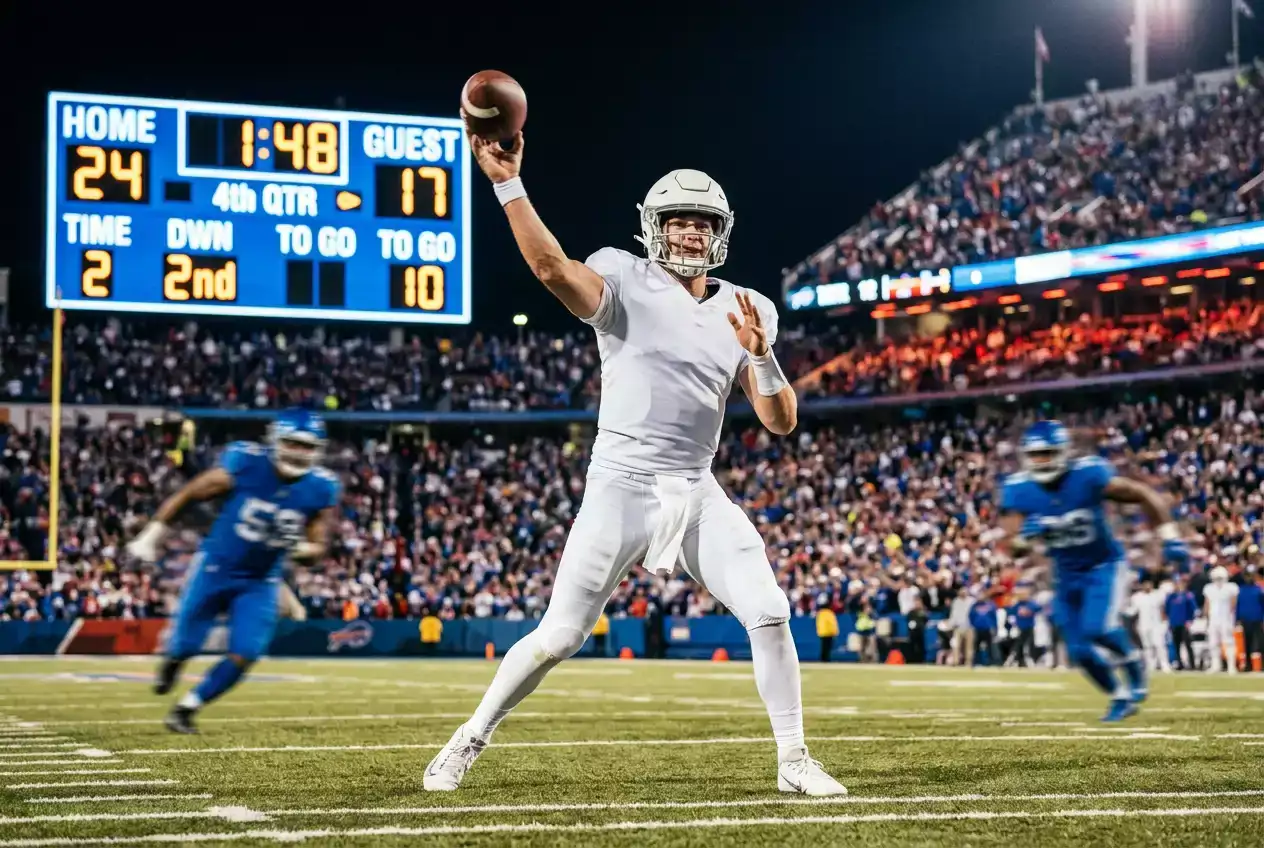
Timing Live NFL Bets Around Possession Drives
Remote gambling in the UK has grown 63% since the 2015/16 financial year, and in-play betting is the engine behind that surge. Live wagering now accounts for a larger share of sportsbook turnover than pre-match in many markets, and NFL — with its stop-start structure of drives, timeouts, and commercial breaks — is almost perfectly designed for it. Every pause in the action is a window to place a bet, reassess, or hedge an earlier position. Live betting requires quick thinking, especially when you are managing multiple games simultaneously across the NFL Sunday slate.
I came to live NFL betting almost by accident. A pre-match spread bet was going sideways in the second quarter, and rather than watching helplessly, I placed a live wager on the next drive result to offset my exposure. That single moment taught me something I now consider fundamental: in-play is not a separate market — it is an extension of your pre-match analysis, updated in real time by what is actually happening on the pitch.
In-Play Markets for NFL
The range of live markets at UK sportsbooks has expanded dramatically. Five years ago, you might have found a live spread, a live total, and a moneyline. Now a typical NFL in-play menu includes next team to score, next scoring method (touchdown, field goal, safety), current drive result (touchdown, field goal, punt, turnover), live player props (updated passing yards, rushing yards), quarter-by-quarter lines, and alternative live spreads at various point intervals.
Drive-level markets deserve special attention because they are where I find the most consistent edge. When a team starts a drive at its own 25-yard line against a top-five defence, the most probable outcome is a punt. The odds on “drive result — punt” at that moment might sit around 1.70, which is not exciting until you stack three or four of these high-probability bets across a game and compound the value. This is a grind, not a firework display, but it works.
The sheer volume of markets also creates pricing inefficiencies. Sportsbooks rely on algorithms to adjust live odds, and those algorithms sometimes lag behind what your eyes are telling you. If a starting quarterback limps off the field and the backup is warming up, the live moneyline may take 30-60 seconds to react. In NFL, 30 seconds is an eternity.
Timing Your Live Bets Around Drives
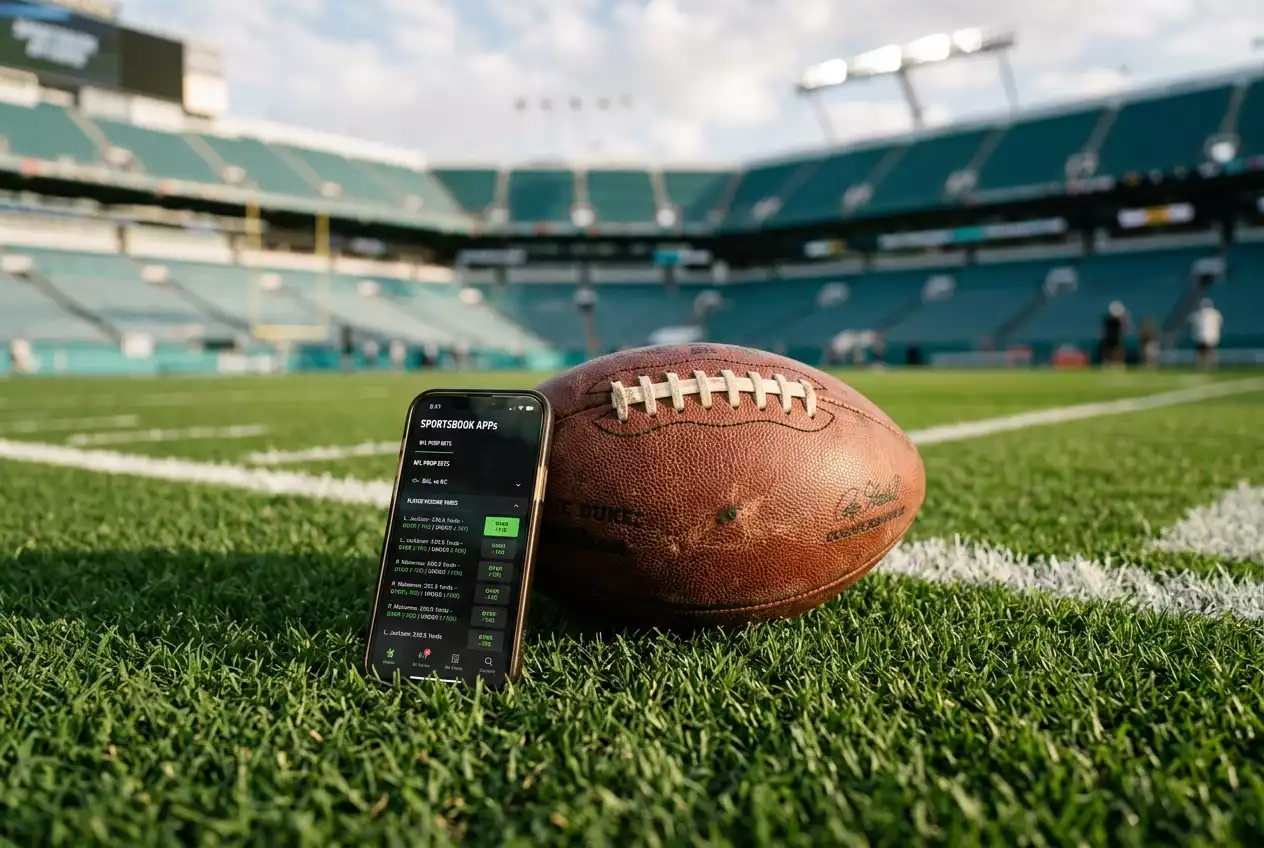
Mobile-first betting apps generate roughly 40% more activity than desktop platforms in the UK market, and that mobile-first infrastructure is what makes drive-by-drive betting practical. You are sitting on the sofa, phone in hand, watching the game, and you can react to what you see before the algorithm catches up.
The rhythm of an NFL game creates natural betting windows. Before a drive starts, you have the widest range of markets. During a drive, options narrow but the odds shift with every play — a 15-yard completion changes the live total and the next-play markets instantly. Between drives, during the two-minute warning, and at halftime, the sportsbook recalibrates, and fresh lines appear.
My approach is to pre-identify two or three scenarios before kickoff and wait for the live market to offer the price I want. If I believe a game will be low-scoring but the first quarter produces two quick touchdowns, the live total might rise above my pre-match target. That is my entry point — backing the under at a number I could not get before the game started. Patience, not impulse, defines profitable live betting.
One timing trap to avoid: the two-minute drill. The end of each half produces frantic scoring sequences that distort live odds wildly. Betting into that chaos is tempting but rarely profitable. I close my sportsbook app when the two-minute warning sounds and reopen it after halftime or after the game settles into its next phase.
Bookmaker Live Experience
Not every UK sportsbook delivers the same in-play experience for NFL. The variables that matter most to me are latency (how quickly the odds update after a play), market depth (how many in-play options are available for each game), stream availability (whether the platform offers a live video feed alongside the betting interface), and cash-out functionality during live play.
Latency differences are real and measurable. On one platform, the live spread might update within two seconds of a completed pass; on another, it takes five. Those three extra seconds are an edge for the punter who is watching the game in real time, because you can place a bet at a stale price before the line catches up. I rotate between two or three apps during NFL Sundays specifically to exploit these timing gaps.
Live streaming is a mixed bag. Some UK operators offer NFL streams directly through their app; others require a separate subscription to a broadcaster. Having the stream and the bet slip on the same device, in the same app, reduces reaction time and makes the entire experience smoother. It is worth checking which sportsbooks carry live NFL feeds before the season starts.
In-Play Discipline
Here is where I have to be honest about my own worst habit. In-play betting is addictive. The feedback loop — bet, watch, result, bet again — is tighter than any other form of wagering, and the NFL’s structure means you can place dozens of wagers in a single game without even trying. Early in my career, I finished a Monday Night Football game having placed 14 live bets on a single match. My bankroll thanked me for precisely none of them.
The discipline framework I now use is simple. Before the game, I write down my maximum number of live bets (usually three) and my maximum live stake (usually 2% of my weekly allocation). Once I hit either limit, the app closes. This is not willpower — it is structure. Willpower fails at 11pm UK time when a game goes to overtime and you are convinced you can see the outcome. Structure does not. Connect with other sharp bettors in our premier NFL betting community to share live betting angles and strategies.
In-play betting is a powerful tool for the prepared punter and a fast-acting drain for the impulsive one. The market rewards patience, situational awareness, and a pre-built plan. It punishes boredom bets, revenge bets, and the belief that watching a game gives you real-time wisdom the algorithm lacks. Sometimes it does. Most of the time, it does not.
Which UK bookmaker offers the most NFL in-play markets?
Coverage varies by operator and by game. Marquee matchups — Sunday Night Football, Monday Night Football, and playoff games — tend to have the deepest live menus across all platforms. For the broadest range of drive-level and live player prop markets, compare two or three sportsbooks during the early weeks of the season to find which suits your style.
How do NFL drive-by-drive dynamics affect live betting odds?
Each drive creates a self-contained sequence with predictable probability patterns. A team starting deep in its own territory has a high probability of punting, which is reflected in drive-result markets. As the offence gains yardage, the odds on scoring outcomes shorten in real time. Sharp live bettors use field position, down-and-distance, and defensive matchups to anticipate these shifts before the algorithm updates.
Written by the editors at nfl Betting Fourm.